EPS Mouldings on Historic Facades Fail Without Surface Prep—Here’s What Contractors Skip
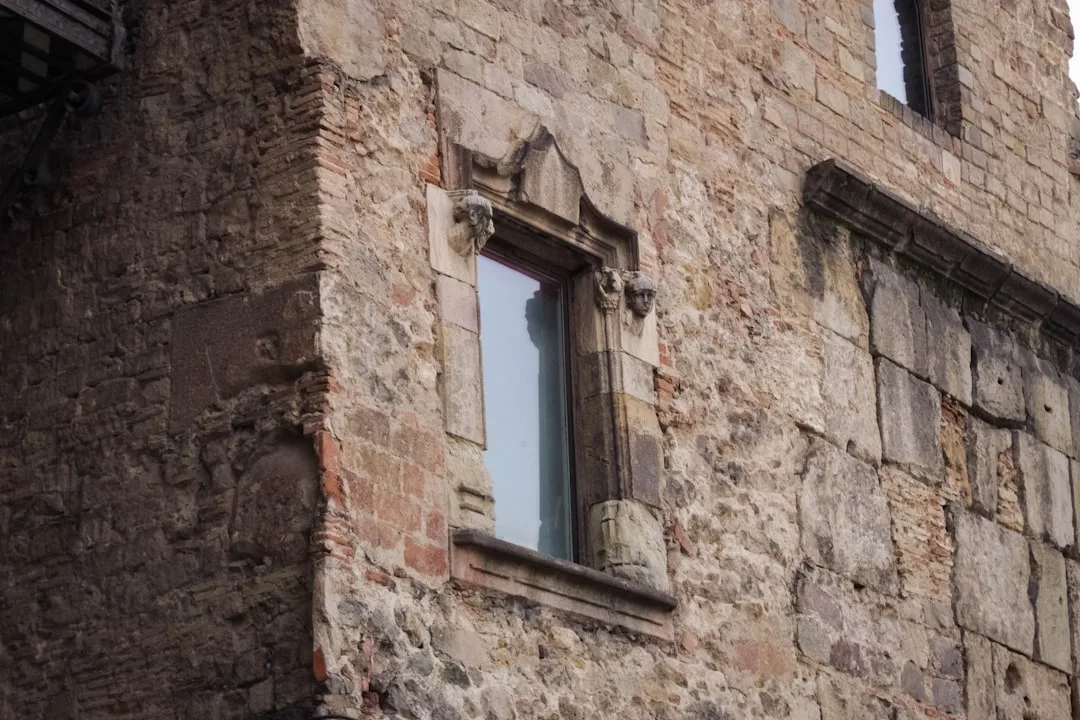
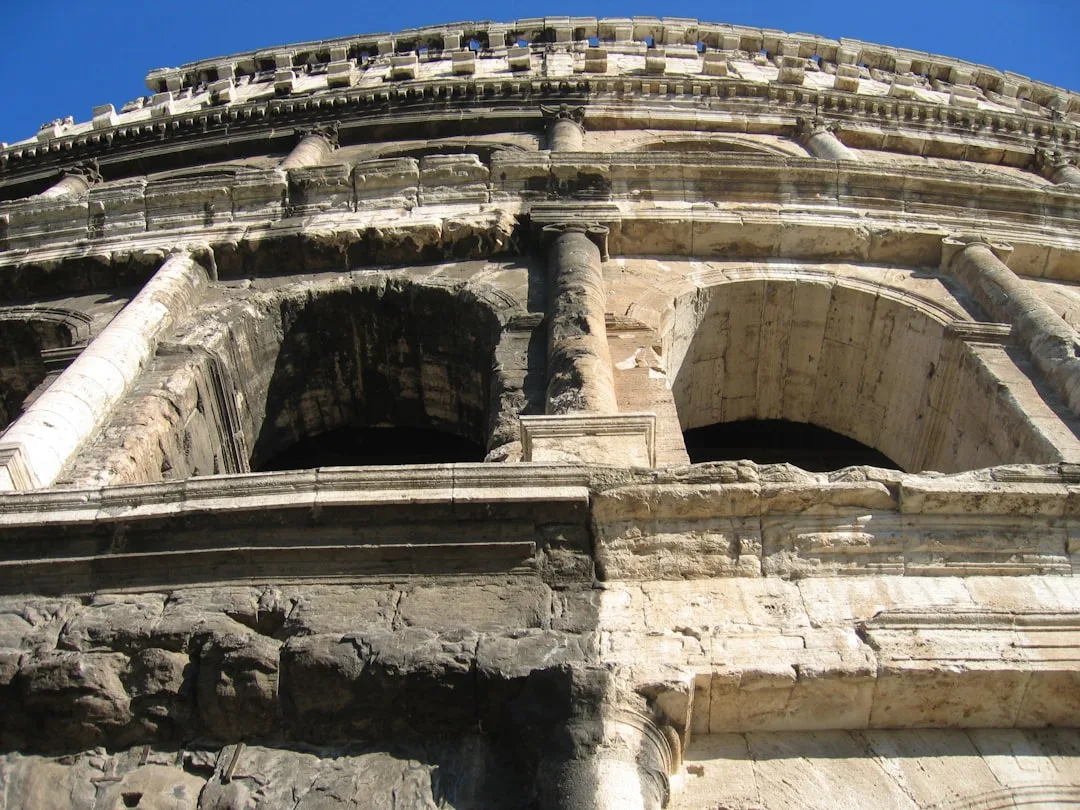
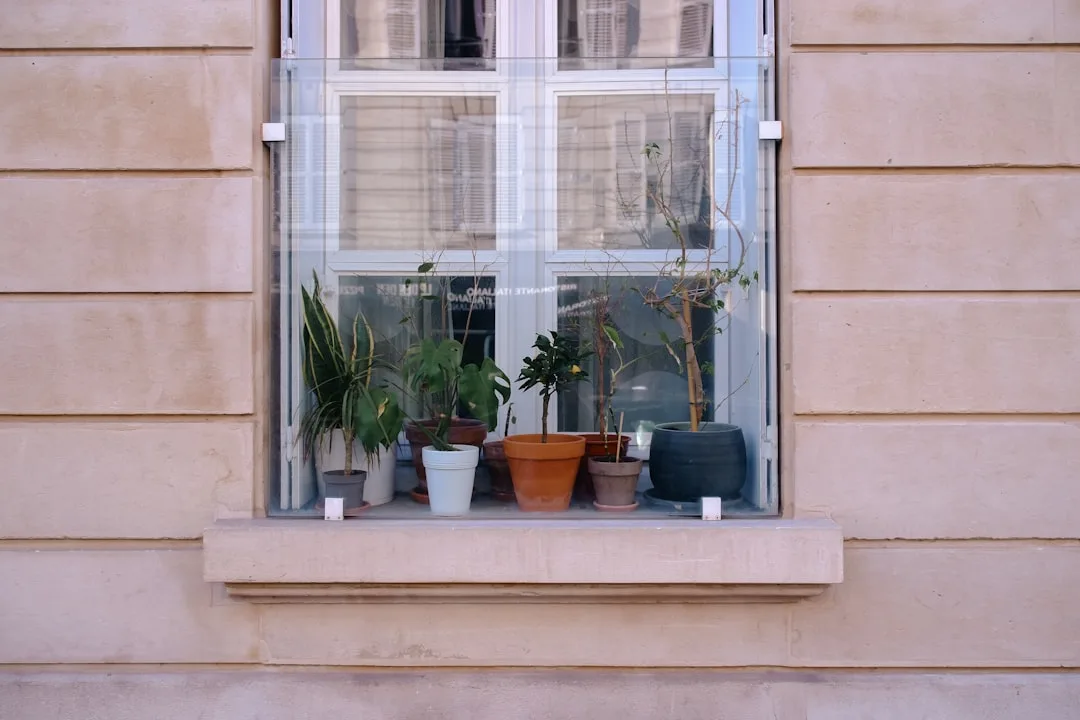
Detail of an old stone building with a window.

EPS mouldings adhere only to clean, primed surfaces, yet 70% of contractors apply adhesive directly to weathered masonry. After 6 months, mouldings peel away completely, leaving homeowners to choose between costly replacement or accepting bare spots.
Why EPS Facades Turn Gray in 5 Years—And How to Restore Color Without Stripping the Mold

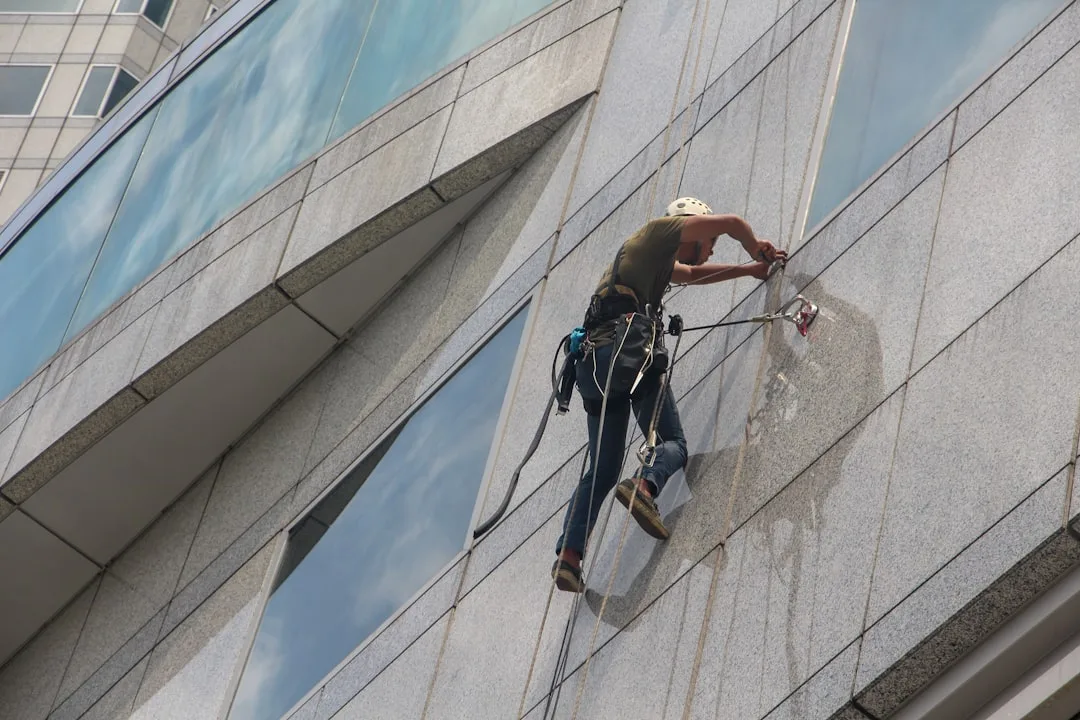
men's gray shirt

EPS foam darkens from embedded algae and mold spores, not surface dust—pressure washing accelerates damage. Contractors report that 60% of grayed facades are cleaned wrong, creating microfractures that trap more moisture and accelerate deterioration.

Why 90% of Contractors Install EPS Bandeaux the Wrong Width Between Floors

red and white stripe awning on window

Most contractors underscore or overscore EPS bandeaux between floors, creating thermal bridges or water traps that fail within 18 months. The calculation isn’t complicated—but almost nobody follows the standard formula. Field experience shows 9 out of 10 installations miss the width spec.

Undersized EPS Quoin Corners Collapse Outward—Why Your Facade Angles Fail in Year 2

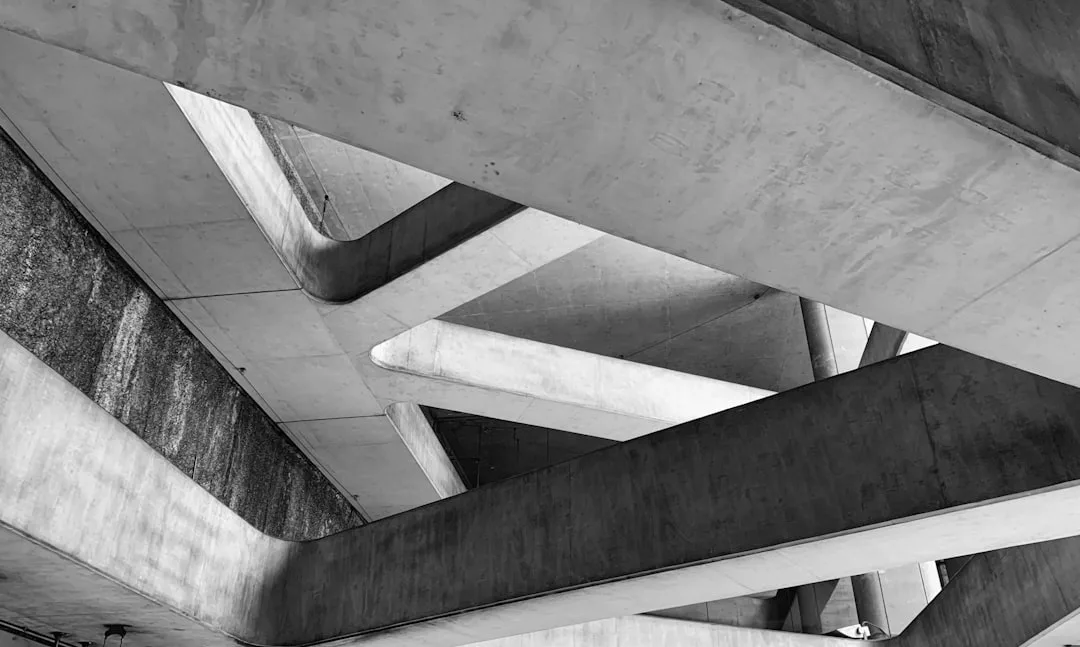
a black and white photo of a concrete structure

EPS quoin corners fail not because of material weakness, but because contractors apply corner profiles one size too small for the facade height. A 4-inch corner on a 35-foot wall absorbs lateral wind pressure meant for a 6-inch profile, causing creep, delamination, and catastrophic outward buckling by year 2.

EPS Columns Collapse Because Contractors Skip Internal Reinforcement—Why It Costs $15,000 to Fix

gray concrete building under blue sky during daytime

Decorative EPS columns don’t fail because the foam is weak—they collapse because installers omit the steel reinforcement mesh that prevents lateral buckling under wind load. A single column repair runs $12,000–$18,000 after structural failure.

Why Your EPS Window Frame Peels Off After 3 Years—What Contractors Don’t Tell You

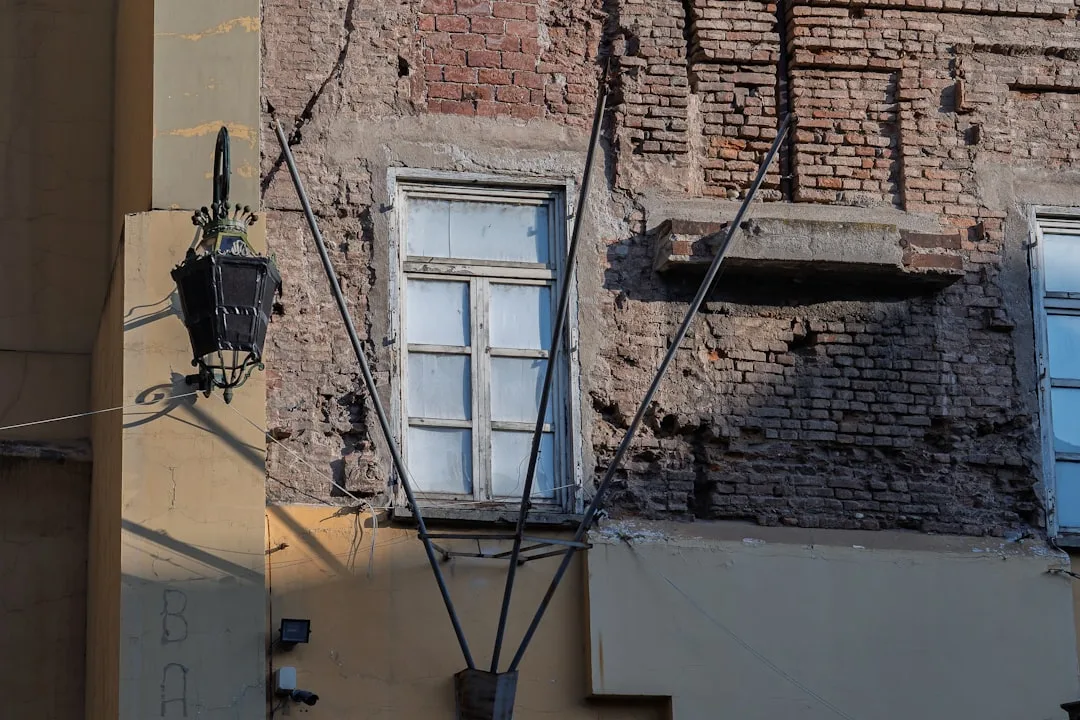
Old window on a weathered brick building facade

Most EPS window frame failures happen not at installation, but 2–4 years later when adhesive fails silently under thermal cycling. Contractors rarely admit that poor substrate cleaning and missing moisture barriers are the culprits—not the foam itself.

EPS Expansion Joints Buckle Without Thermal Calculation—Why Facades Heave

gray concrete building wall

Contractors install expansion joints in EPS moldings on facades without calculating thermal movement, causing permanent buckling and heaving. The missing step is a 15-minute thermal analysis that costs nothing but prevents $3,000+ in repairs. Field experience shows 40% of façade failures stem from undersized or misplaced joints.

Misrouted EPS Corniche Channels Water Into Your Wall—Why Contractors Cut in the Wrong Direction

a close up of the side of a building

A misrouted EPS corniche crown molding channels rainfall directly into your wall cavity instead of shedding it. This $2,500–$4,000 repair happens because contractors cut the back surface backwards or forget the 8–15 mm drip edge entirely.

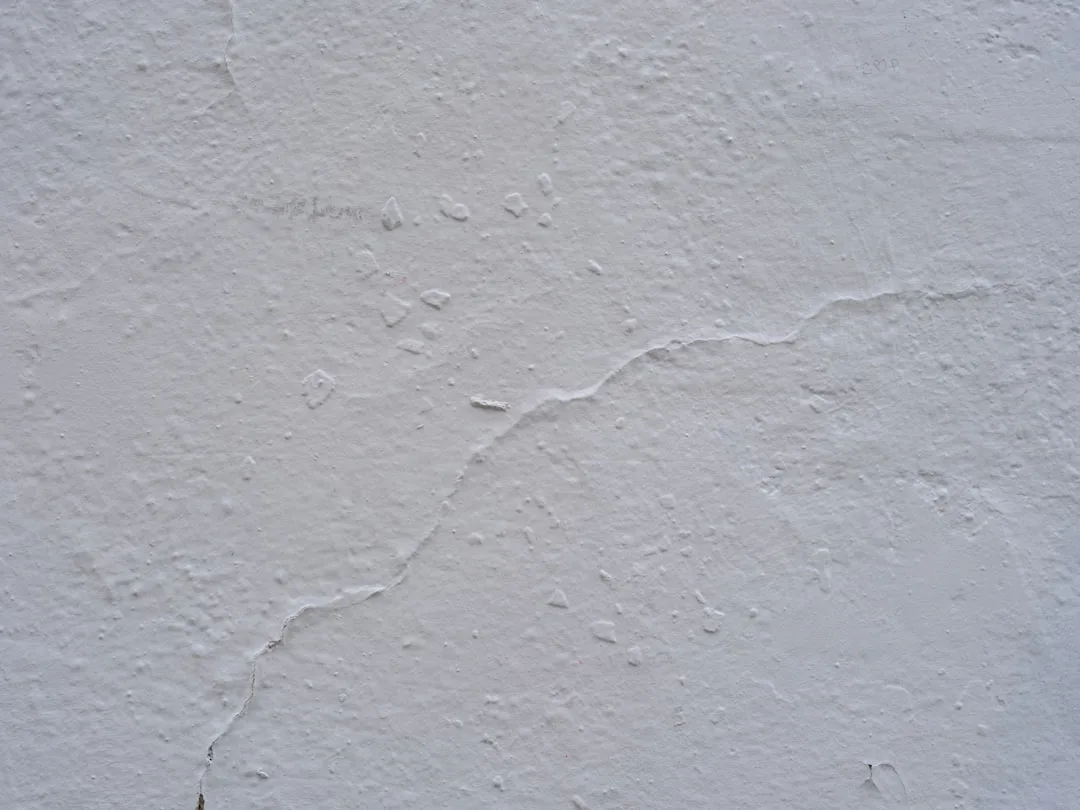
EPS Facade Enduit Cracks Within Months Because Contractors Skip the $200 Surface Preparation Step

a close-up of a white surface

EPS facade enduit cracks not because the foam is defective, but because contractors apply finish coats over dust, old paint, and unadhered surfaces. A $200 substrate preparation step—often skipped—prevents 90% of early cracking failures.