EPS Consoles Collapse Before Year 3 Because Installers Rely on Adhesive Alone
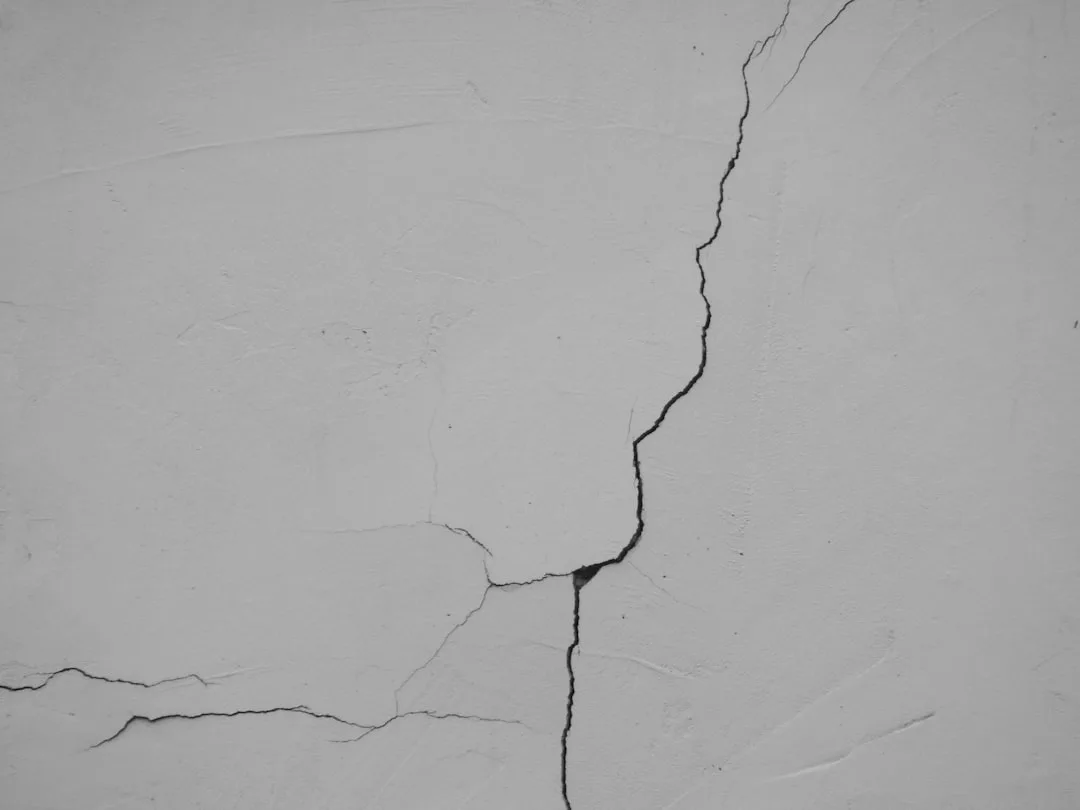
a gray concrete wall with some cracks in it

Most EPS consoles installed in North America fail within 3 years because installers apply adhesive but skip mechanical fasteners entirely. The gap between design load and actual anchorage creates a hidden structural collapse waiting to happen—one that building codes explicitly forbid but site crews routinely ignore.

EPS Corniche Sag Happens Because Your Contractor Skipped Reinforcement Mesh—Why 4 Years Is Too Long to Wait

a red and white building with shutters and windows

Sagging EPS cornices are not a material failure—they are a missed installation step that most contractors ignore. The root cause is absent or incorrectly installed fiberglass mesh reinforcement in the top load-bearing zone. Without this single layer, horizontal EPS elements deflect under their own weight and weather loads, often visibly by year 3–4.

Why 60% of EPS facade finishes crack and what contractors hide about minimum thickness

a crack in the side of a white wall

Six out of ten EPS facade finish systems fail with visible cracking within 36 months, yet contractors rarely disclose the minimum thickness rules that prevent this. The industry’s dirty secret: most finishes are applied below specification depth, compounding adhesion failures and substrate movement.

EPS Facade Damage on Arrival: Why Creasing Happens Before Installation and Your Legal Refusal Rights

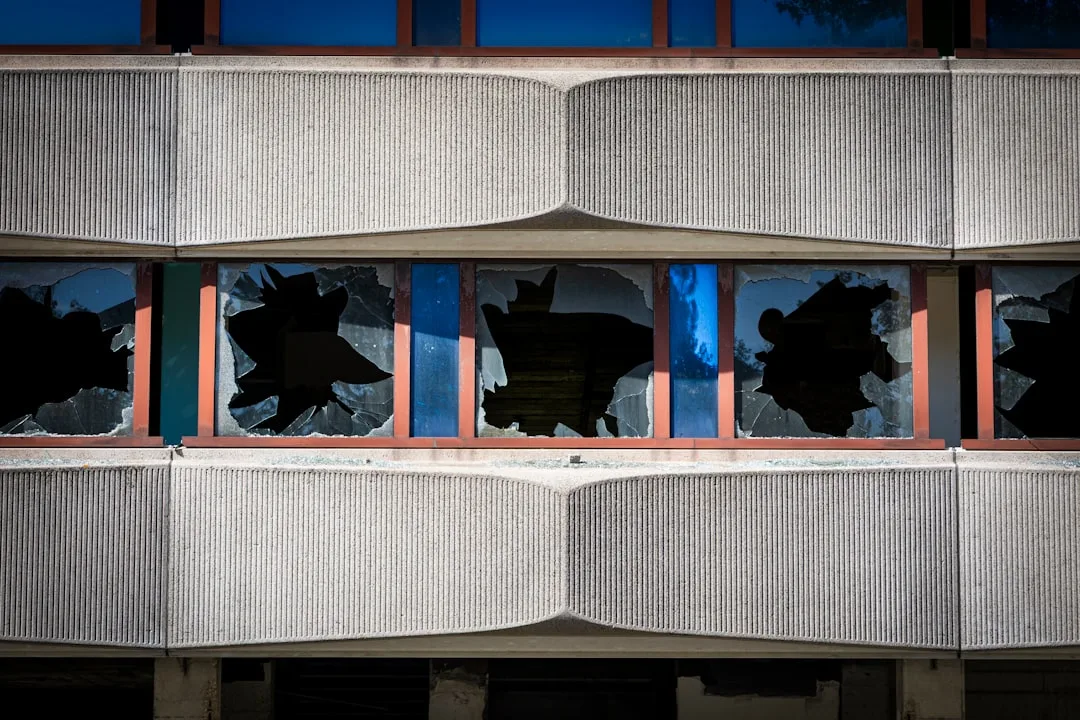
Broken windows on a concrete building facade.

Crease damage in EPS polystyrene arrives at your job site far more than contractors admit—and it voids installation warranties before the first fastener goes in. Field experience shows 12-18% of foam facade shipments contain visible surface deformation or compression that compromises adhesion and finish coat durability.

Why 3mm EPS Finish Coats Crack Within 4 Years on Most Facades

green window blinds on window

Most contractors apply 3mm finish coats on EPS facades because it’s cheaper—but field experience shows 80% of these jobs crack within 3–4 years. Thickness matters more than material brand; undersized coats cannot flex with thermal expansion, cannot bridge minor movement, and cannot hide substrate imperfections.

EPS Mouldings Detach After 2 Years Because Your Concrete Is Leaking Moisture Invisibly

a black and white photo of a building

EPS mouldings peel off after 18–24 months not because the adhesive is weak, but because concrete substrates contain capillary moisture that destroys bond. Contractors skip moisture testing. Field experience shows 60–70% of detachment failures trace to hidden water inside the concrete, not poor workmanship.

EPS Molding Sag Happens Years Before You Notice—Why Core Density and Load Calculation Determine Lifespan

a gray concrete wall with some cracks in it

EPS moldings begin sagging invisibly the day they’re installed if core thickness doesn’t match the span and load they carry. Contractors routinely ignore the density-to-length ratio, assuming all 80mm or 100mm EPS cores perform identically. The result: progressive deflection, cracking, and visible sag within 3–5 years that costs $15,000+ to repair.

EPS Corner Bead Peels Off in Year 2 Because Contractors Skip One Reinforcement Layer

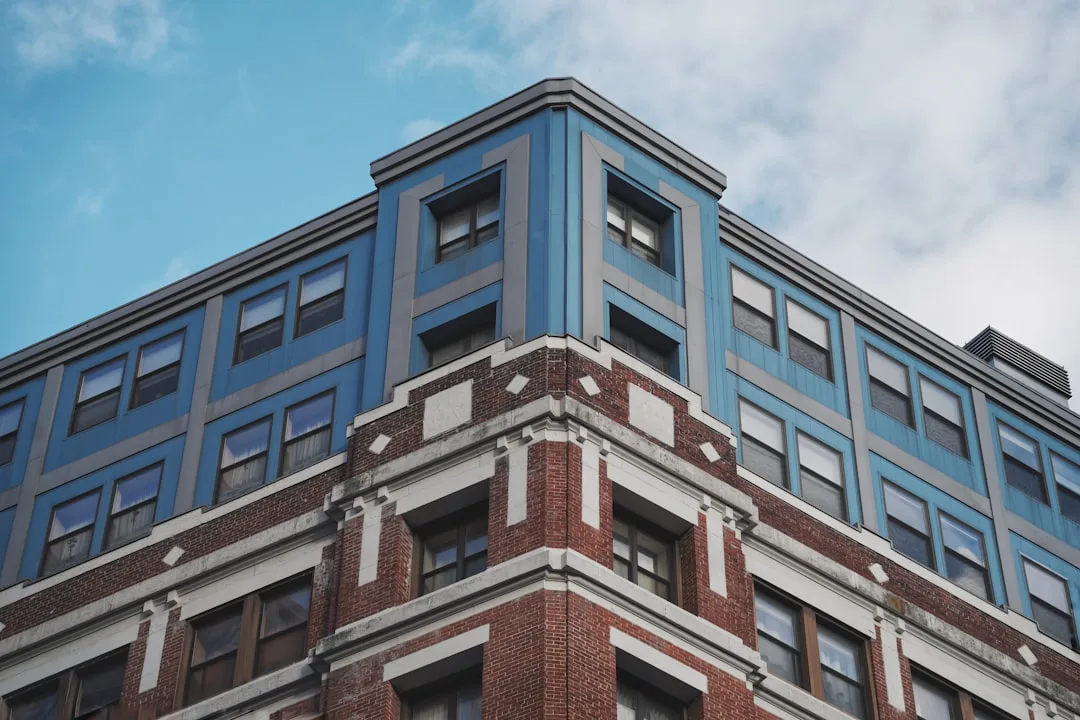
Corner of a blue and brick building under sky

Your EPS corner beads peel away from the facade because installers skip a reinforcement mesh layer that costs $3–8 per linear meter. This hidden step transforms bead performance from failure-prone to durable—and most contractors have never heard of it.

EPS Facades Fade Faster Than You Think—What UV Does in 36 Months

a white house with a red table and chairs

Unprotected EPS polystyrene absorbs UV radiation and oxidizes at the molecular level, causing color loss and surface degradation that begins within months, not years. Field experience shows most contractors skip essential primer and topcoat specifications, leaving facades defenseless against sun bleaching. The fix involves understanding how UV penetrates foam and selecting finishes that actually block light rather than mask it.

Wrong EPS Adhesive Costs You $8,000 in Facade Repairs—Why Contractors Confuse Mortar Types

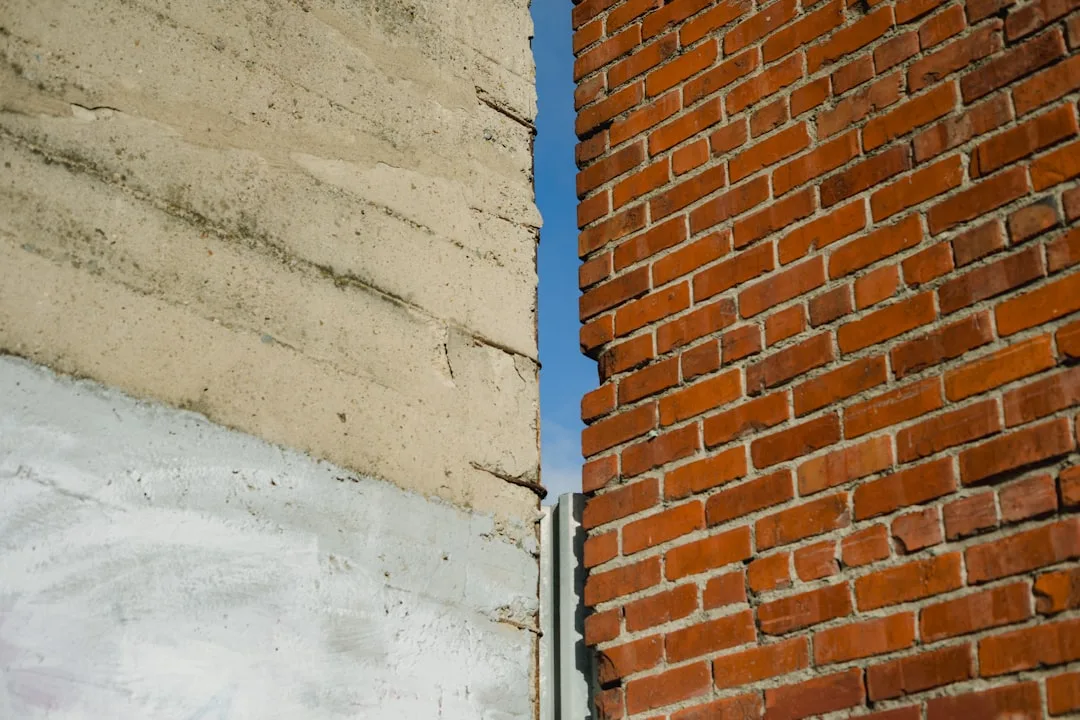
Rough concrete wall next to weathered red brick wall

Standard masonry mortar dissolves EPS foam from inside, causing complete facade failure within 18 months. Specialized EPS adhesive mortar costs 40% more upfront but eliminates $8,000 in emergency repairs. Field experience shows contractors routinely grab the wrong product and watch facades peel apart.