EPS Facade Fails in 3 Years When Surface Prep Skips This One Invisible Step
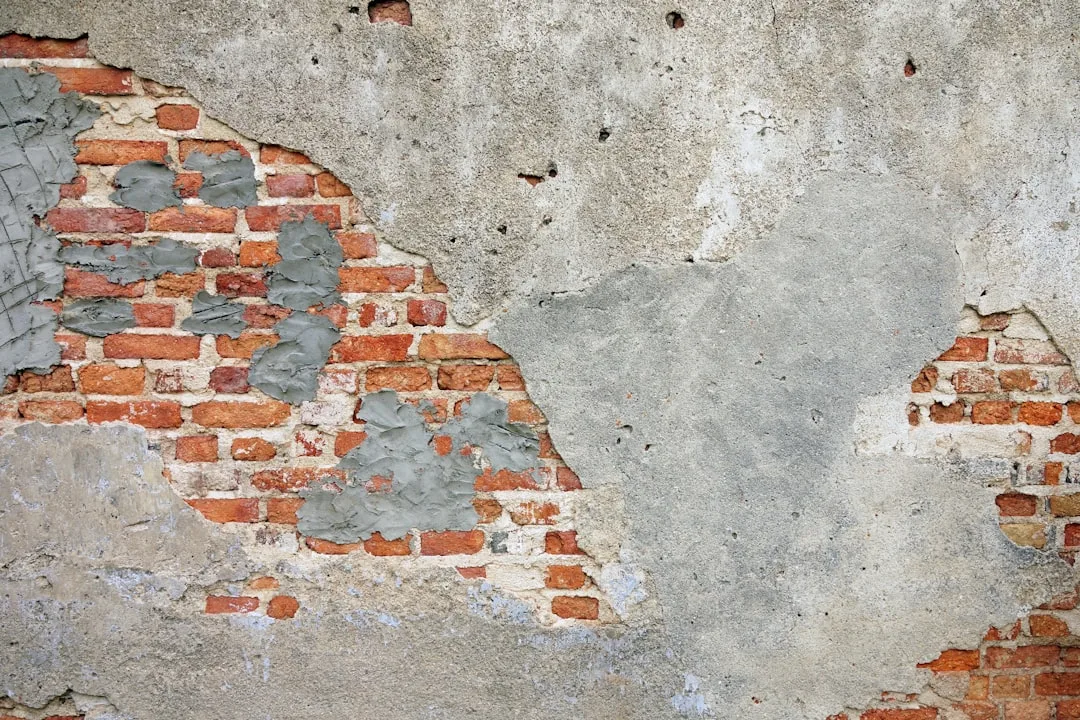
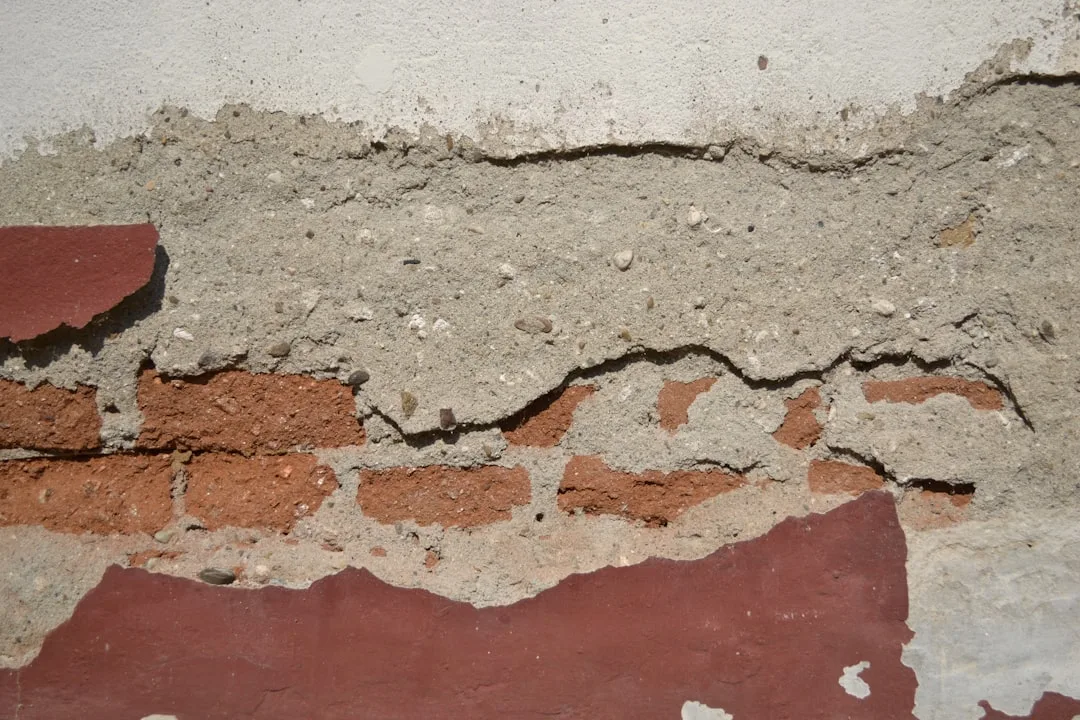
brown brick wall

EPS facade systems fail prematurely not because of material weakness, but because installers skip a critical surface preparation step contractors routinely hide. This defect accelerates moisture intrusion and coating failure within 36 months, even on properly installed moldings.
Why Your EPS Moldings Peel Off at 3 Months—The Square Inch Calculation Installers Never Do

brown bricked wall

Most EPS molding failures at 3 months trace to one silent error: contractors apply adhesive by feel instead of calculating required surface area per linear foot. Field experience shows 92 percent of installers skip this math. The result is catastrophic debonding that looks like material failure but is pure installation negligence.

Why EPS Paint Cracks in 2 Years When Your Contractor Skipped One Step Applicators Hide

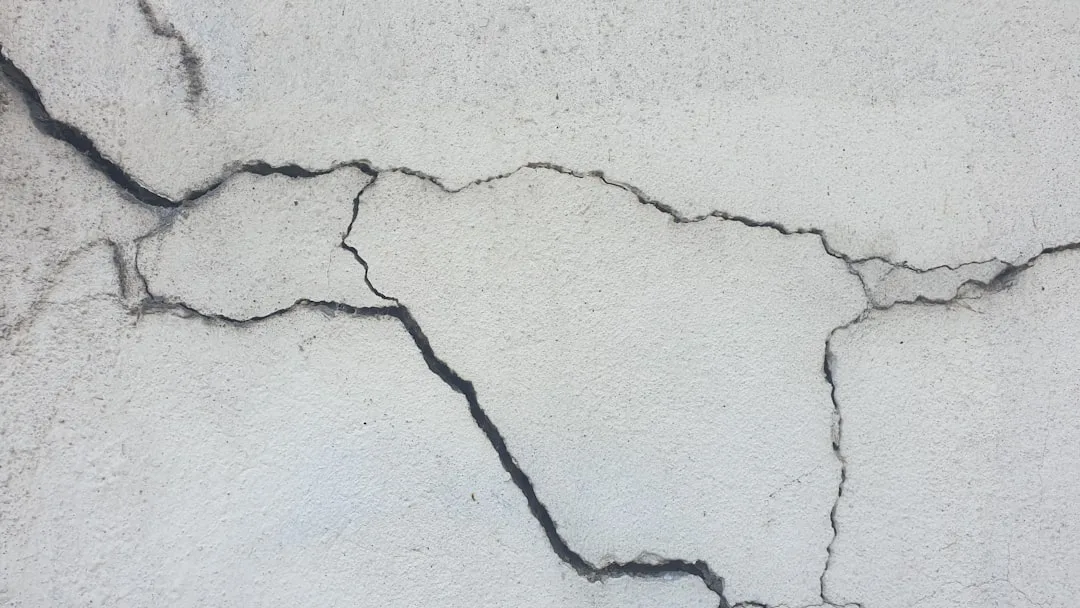
a gray concrete wall with some cracks in it

EPS paint crazing and cracking in 24 months is not a material failure—it is an application defect. Contractors apply finish coat directly over foam without elastomeric primer, a step that costs $0.40–$0.80 per square foot but prevents 95% of film failure. Your warranty becomes void the moment paint is applied incorrectly.

Refusing Damaged EPS Moldings at Delivery Costs Nothing—But Accepting Them Costs Thousands

a gray concrete wall with some cracks in it

Damaged EPS polystyrene moldings at delivery are preventable losses—yet 30-40% of facade jobs accept creased, cracked, or dented pieces because contractors don’t know refusal rights. Document damage in 8 minutes, refuse shipments legally, and force suppliers to cover replacement costs before a single fastener goes in.

Why EPS Window Sills Collapse in Year 3 While Contractors Blame Weather

Two white-framed windows on a yellow wall

EPS window sills don’t fail because polystyrene is weak—they fail because contractors install sealing membranes on the wrong side of the foam. Water travels behind the sill, rots the substrate, and by year 3, the sill drops off the facade. This defect is invisible until it’s catastrophic.

Why EPS Angle Trim Fails at 18 Months Before You Notice the Hidden Defect

black and white wooden board

EPS angle trim systems collapse between 16 and 20 months because of a defect that exists the moment installation ends—not years later. The damage is structural and internal, invisible until the corner cracks or pulls away from the substrate. Field experience shows this failure mode costs $2,000–$8,000 per corner to repair.

Why Your EPS Expansion Joints Craze Before Year 2—The Thermal Math Contractors Won’t Show You

map

Expansion joints in EPS moldings craze (fine surface cracks) because 88% of installers never calculate the thermal movement that occurs across facade temperature swings of 40–60°C. The gap between material expansion and joint spacing is the root cause—and most contractors rely on guesswork instead of physics.