EPS Pilasters Crack Vertically Because Nobody Installs the Invisible Reinforcement

white and orange building

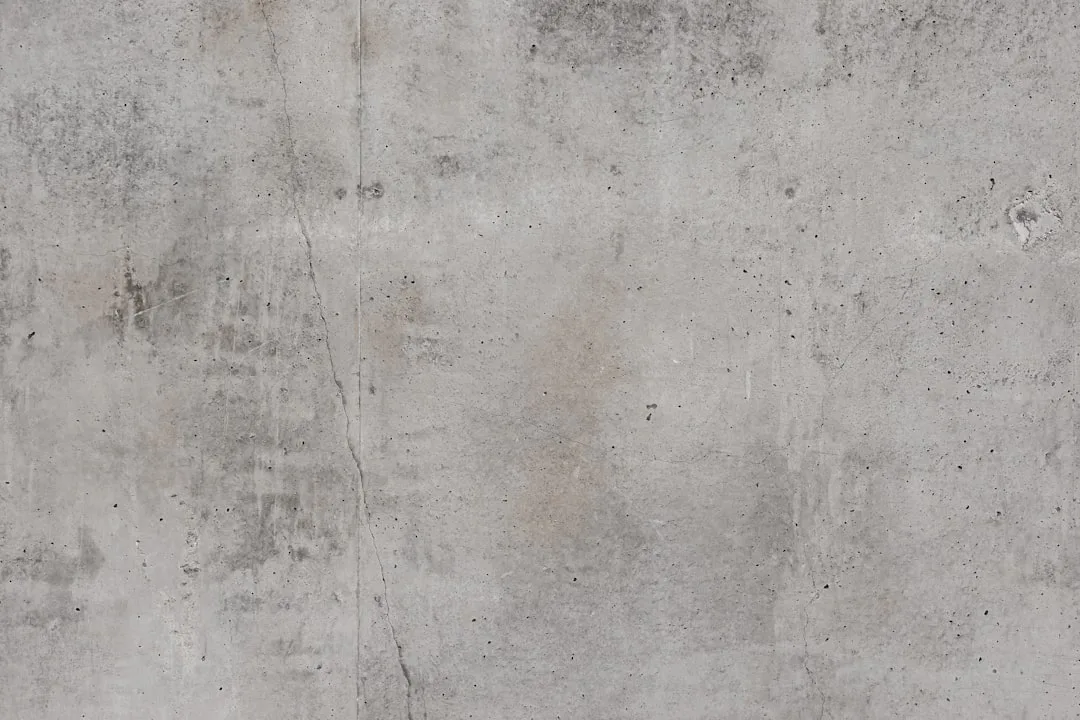
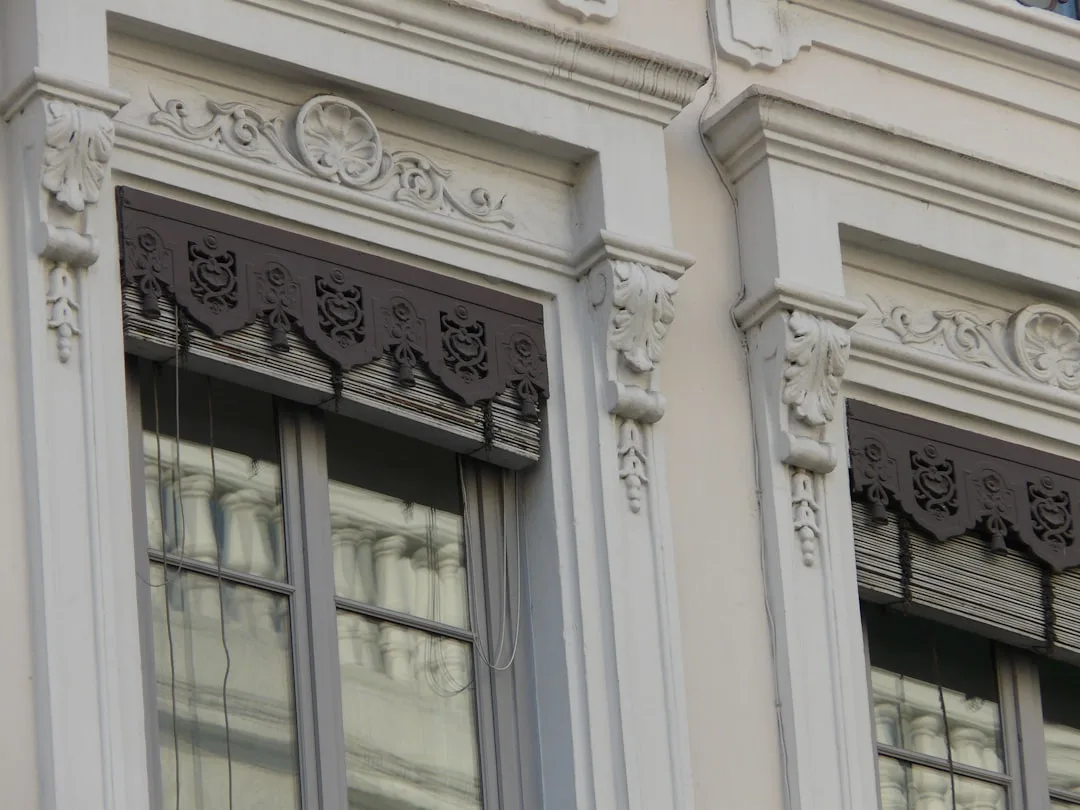
Vertical cracks running the full height of EPS pilasters appear within 18–24 months on 40% of installations contractors report. The cause is never the foam itself—it’s the absence of glass-fiber reinforcement mesh where thermal stress concentrates. This repair costs $2,000–$4,000 per facade when it should cost $200–$400 at installation.
Why EPS Window Sills Crack Within 18 Months—The Support Void Nobody Inspects

two broken glass building windows

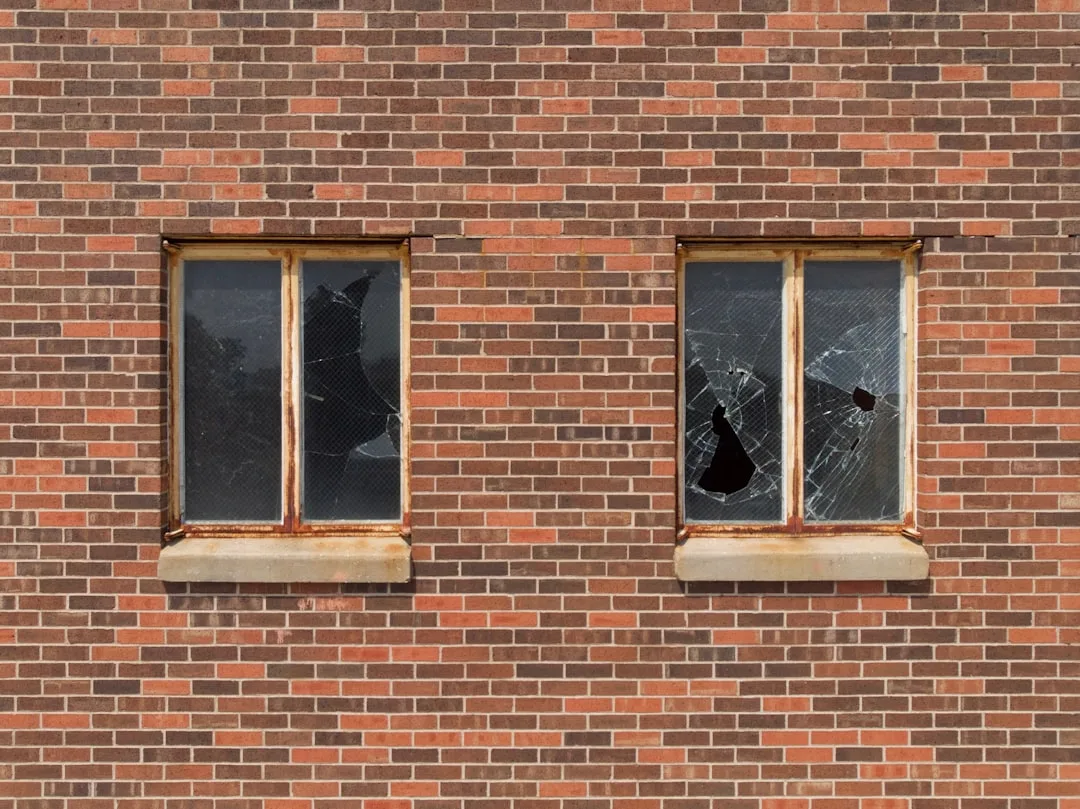
EPS window sills degrade faster than other facade elements because contractors install them over hollow cavities without structural backing. Most sill failures occur within 18 months, not from material weakness but from concentrated loads pressing into unsupported foam. This defect is invisible until the crack appears.

Why Your EPS Cornice Sags—The Load Calculation Contractors Skip

white concrete building during daytime

Your contractor never calculated the actual compressive load on your EPS cornice—and that omission guarantees sagging within 3 to 5 years. Load calculation is not optional; it determines whether a 40mm profile works or fails. A simple three-step formula stops deflection before installation begins.

EPS on Ashlar Stone Without Sanding Fails Every Time—Here’s Why and What Works

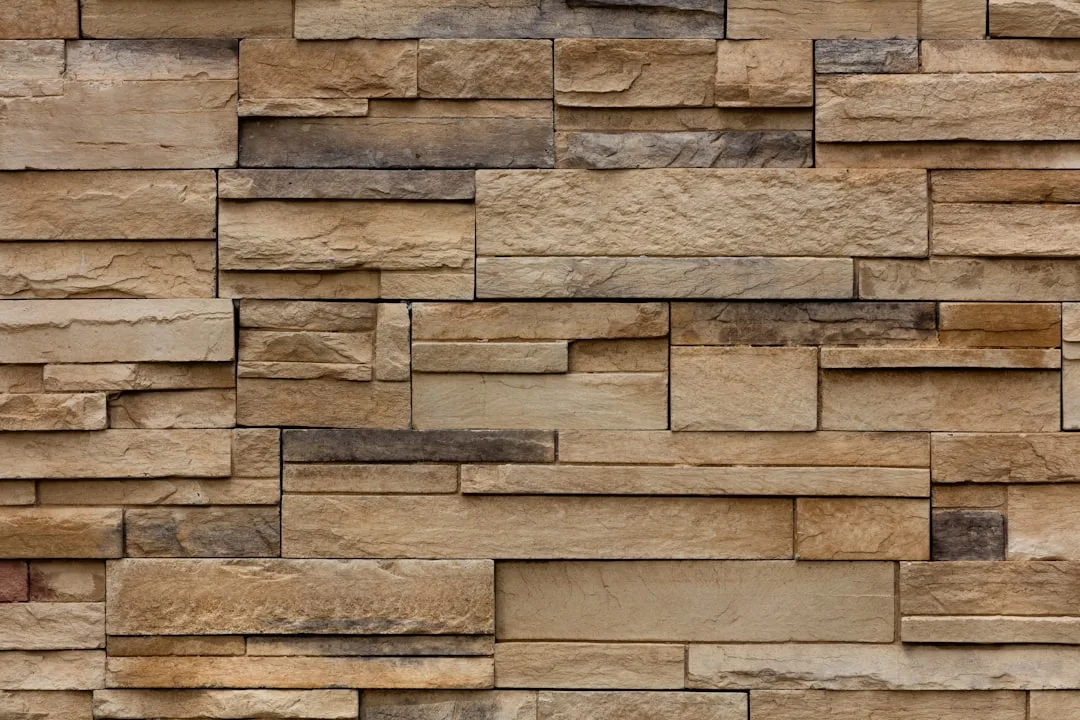
brown bricked wall

Contractors skip sanding ashlar stone before EPS installation and expect five-year performance—they get eighteen months. Surface energy, dust contamination, and stone porosity require mechanical prep that no adhesive can overcome alone.

EPS Corner Chains Ignored by Contractors Cost $2500 in Water Damage

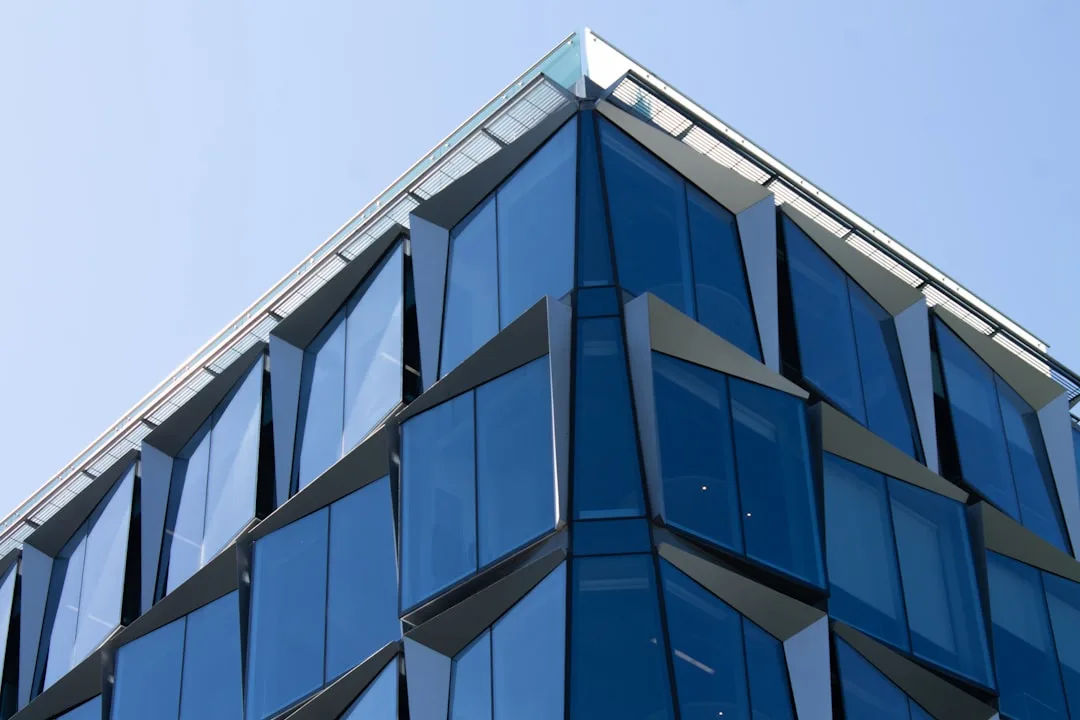
blue and white concrete building

Corner chains—the angled foam trim connecting vertical moldings at exterior corners—are omitted from 60% of residential EPS projects. When missing, water penetrates behind fascia moldings within 18 months, triggering $2000–$2500 repairs. This piece costs $40–$80 installed but prevents catastrophic edge failure.

Why Your EPS Facade Swells Weeks After Installation—The Capillary Absorption Nobody Sees Coming

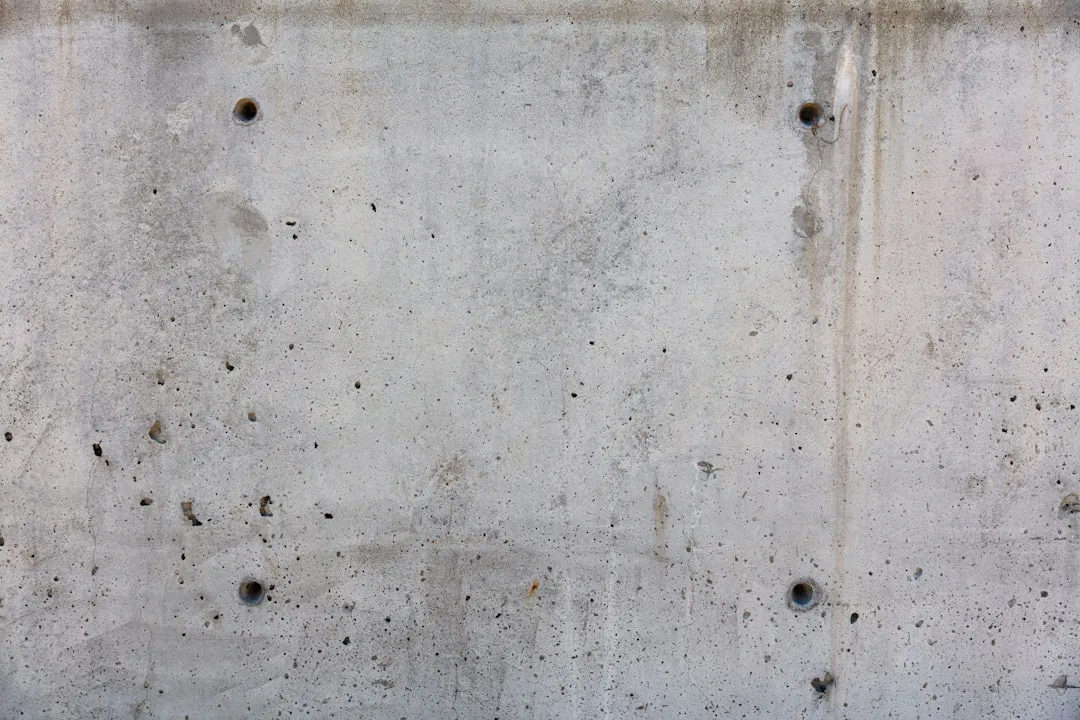
grey metal door with hole

EPS facade panels absorb moisture through capillary action weeks or months after installation, causing dimensional swelling that cracks finishes and separates joints. This happens even when the base wall appears dry. Field experience shows the problem accelerates in spring and fall humidity cycles.

Why Your EPS Facade Cracks Every June—The 40°F Temperature Gap Nobody Plans For

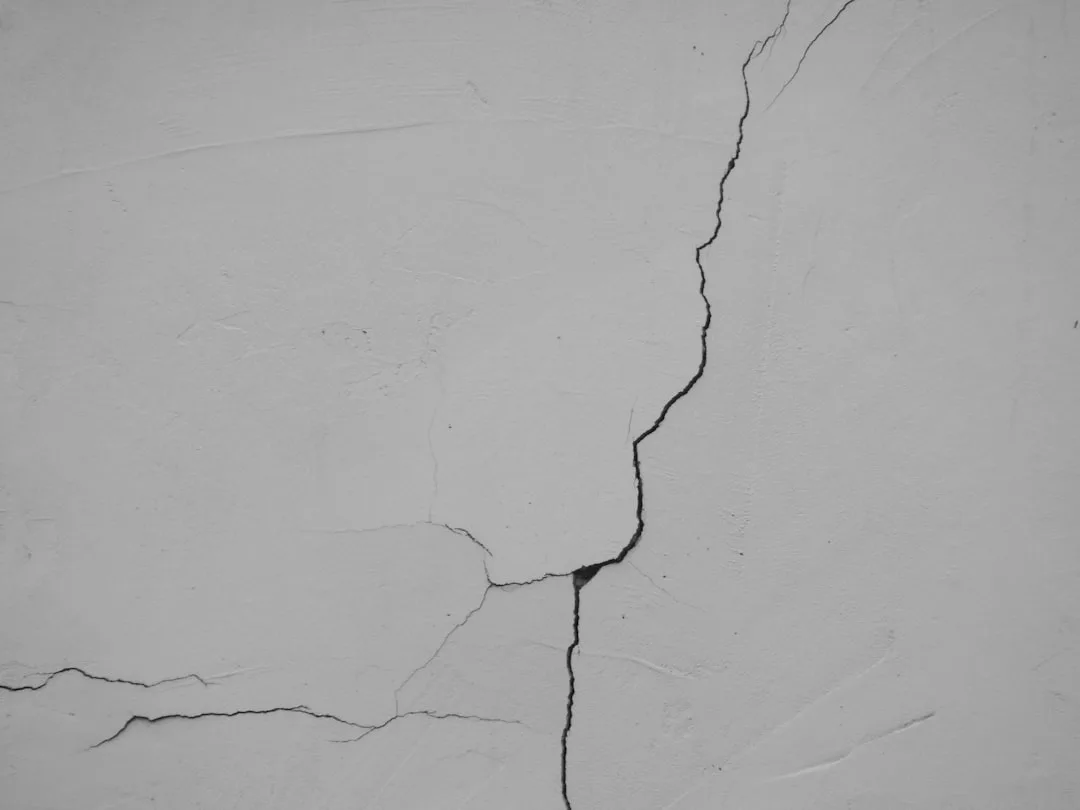
a crack in the side of a white wall

EPS polystyrene expands 0.3mm per meter when surface temperature jumps 40°F on a summer day. Most installers ignore this movement, creating stress cracks that reach the base coat by August. Expansion joints cost $15 per linear meter but save $4,000 in facade repairs.

Why 30mm EPS Cornices Fail Under Their Own Weight Within 5 Years

a gray concrete wall with some cracks in it

A 30mm EPS cornice weighs less than cardboard, yet field experience shows systematic collapse failures within 5 years on facades under 8 meters. Thin-wall EPS cannot distribute concentrated fastener loads. Proper cornice design demands 50mm minimum, mechanical anchoring into masonry, and load path calculation.

Why EPS Moldings Peel From Walls—What Adhesive Alone Cannot Hold

Ornate architectural detail on building windows.

Adhesive failure on EPS moldings is rarely the adhesive’s fault. Field experience shows structural loads, wind pressure, and material creep exceed what contact bond can support—especially on facades over 15 feet high. The solution requires mechanical fasteners, not stronger glue.