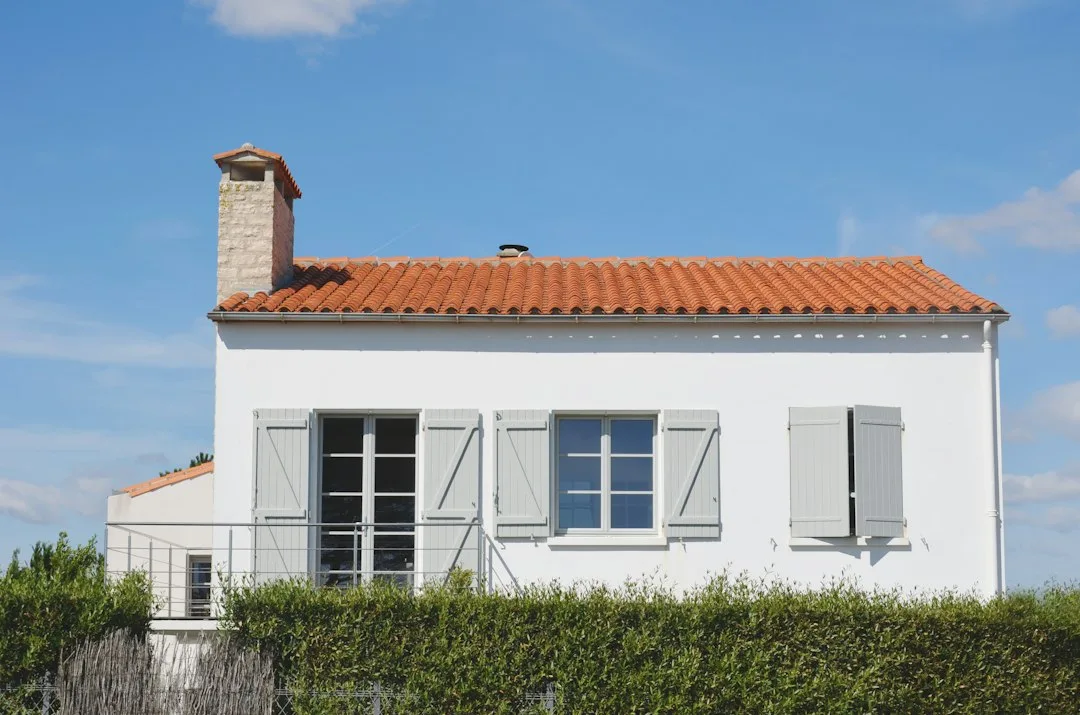
A buyer can decide a house is overpriced before they ever touch a door handle, simply by looking at the wall. Field experience shows that a tired or damaged facade often leads to lower first offers, sometimes by thousands of euros, because buyers assume the hidden costs will be large. The street view is the first inspection, and it is rarely neutral.
Why buyers read the facade as a condition report
Most buyers cannot judge the roof structure, the wiring or the drainage from a listing photo. What they can see is the exterior, and they treat it as a summary of how the owner has looked after the building. Cracks, stains and peeling paint become a shorthand for neglect, even when the interior is in good shape.
The effect is strongest where the defect looks like water damage. A dark band at the base of a wall or a stain below a window tells a buyer that moisture may be entering the structure. That fear is more costly to them than the cosmetic issue itself, so they price in a margin for unknown repairs before any survey takes place.
The defects that trigger the largest discounts
Not every flaw carries the same weight. Hairline cracks in a render are common and often read as minor, but wide or diagonal cracks raise questions about movement. Damp patches, failing base courses and staining from gutters or downpipes are the signals that worry buyers most, because they suggest the repair bill could grow over time.
The table below summarises how typical defects tend to affect buyer perception. The figures are indicative of field experience and will vary by region, building type and local market conditions.
| Visible defect | Buyer perception | Typical repair cost | Likely price impact |
|---|---|---|---|
| Hairline render cracks | Structural worry | Low to moderate | Moderate reduction in offer |
| Water stains below windows | Hidden leak suspicion | Moderate | Significant reduction in offer |
| Peeling or faded paint | Neglect signal | Low | Small to moderate reduction |
| Failing base course | Damp risk | Moderate to high | Significant reduction in offer |
| Missing or damaged cornice | Dated or unmaintained look | Moderate | Moderate reduction in offer |
| Dated flat facade with no relief | Low curb appeal | Moderate | Lower perceived value |
Fix the water problems within the first 30 days
If you have a limited window before listing, prioritise moisture. Check the gutters, downpipes and ground levels around the house, then inspect the base course where render meets the ground. Clear blocked drains, correct any splash-back and reseal obvious gaps in flashing around windows and doors.
Next, look at what is driving the stains. A leaking downpipe joint or a splashing gutter can create a clear streak in a few seasons, and it needs fixing before any cosmetic work. Once the source is stopped, the stained area can be cleaned, allowed to dry fully and then assessed for patching. Painting over a wet substrate almost always fails within a year and can make the eventual inspection look worse.
Repair the substrate before you touch the colour
A new coat of paint is one of the most visible improvements you can make, but it only works on a sound, dry surface. Cracks should be opened, cleaned and filled with a suitable mortar or render repair system, then left to cure before finishing. Loose or powdery areas should be removed back to firm material.
Choose a breathable finish that matches the substrate. A vapour-tight paint on a masonry wall can trap moisture and cause blistering, which is exactly the kind of failure buyers notice. For a practical reference on how colour choice interacts with the wall, read how facade colour decisions can go wrong from the wall tone upward, then test samples on a shaded section before committing.
Use architectural features to reset the street impression
A flat, dated front can make an otherwise solid house look ordinary. Adding relief elements changes the shadow lines and gives the facade a more considered character. Window surrounds, cornices and quoins are among the most effective ways to do this quickly, and they can be fitted within days on a suitable wall. Lightweight EPS mouldings are a practical choice here because they are easy to handle, fix with adhesive and finish with render, which keeps the labour and timeline manageable.
For a window-led refresh, decorative window sills give the most visual return for the cost, since they frame the openings that buyers look at first. A cornice at the top of the wall adds a finished line that suggests a well-kept building. Keep the scale proportionate to the house. Oversized features on a small elevation can look like a fix applied in a hurry.
Do not use decoration to cover a damp problem. Mouldings fixed over a wet or cracked wall will trap moisture behind them and create a second, harder-to-see defect. Confirm the wall is sound and dry before any installation, and keep the joints sealed so water does not track behind the elements.
Plan the timeline so the work lands before photos
Exterior work is weather-dependent, and rushed jobs are where most of the regret comes from. Render and paint generally need dry conditions and a stable temperature to cure properly, so schedule the substrate repairs early, leave adequate curing time and only then apply the finish. A common pattern is that owners book the painter too early, the weather turns and the job drags into the listing window.
Aim to complete the moisture and structural checks in the first few weeks, the repairs and decorative installation in the middle period, and the final finish last. Photograph the facade before and after, because a clean set of listing images helps to offset any remaining imperfections. If you want a broader view of how the wall fabric and the envelope interact, the discussion of external insulation and render costs is worth reading before you commit to a full system, since insulation work changes both the budget and the programme.
Avoid the mistakes that cost more than the original defect
The most expensive error is cosmetic masking. Covering a crack or stain with paint or a thin skim hides the evidence for a few weeks, then the defect returns, and a buyer’s surveyor will find it. The second error is choosing a finish or decoration without checking the substrate, which leads to failed adhesion and visible joints. The third is ignoring the base of the wall, where splash and ground contact cause repeated damage.
Be honest in your listing. A short, accurate description of recent exterior work, backed by documentation, reassures buyers far more than an unexplained fresh coat of paint. The aim is not to hide the building’s age but to show that it is sound, dry and cared for.
Protect the offer you have already earned
The facade is the part of the house that gets judged before the rest of it. A few well-chosen repairs, a dry and sound wall and a restrained decorative refresh can recover a large part of the discount buyers would otherwise apply. Start with water, then the substrate, then the finish, and let the building’s condition, rather than the paint, carry the sale.