Why EPS Facades Without Vertical Chaining Crack Top-to-Bottom—The Structural Flaw Installers Hide
Rough concrete wall with diagonal stripe pattern and vertical lines.

Most facade cracks run top-to-bottom because EPS moldings lack vertical chaining—a mechanical link that ties the facade together and resists thermal and settlement movement. Without it, your entire decoration system becomes isolated sections that shift independently, opening gaps that swallow water and widen year after year.
Why Your EPS Moldings Turn Black in 5 Years—The Pollution Stain Contractors Won’t Repair

brown concrete building during daytime

EPS moldings darkened by carbon and particulate matter cost homeowners thousands in facade replacement when a €200 treatment exists. Field experience shows contractors avoid the conversation entirely because it reveals installation gaps they created.

Why Your EPS Facade Render Cracks in 4 Years While Your Neighbor’s Lasts 12—The Resin Selection Mistake

Rough concrete wall with diagonal stripe pattern and vertical lines.

Your EPS facade render cracks within 4 years because contractors apply high-elasticity finish coatings over rigid, wrong-grade EPS base—a material pairing mistake that silently accelerates degradation. Your neighbor’s facade lasts 12 years because the correct resin chemistry and binder match prevents micro-fractures from forming. The difference costs $0 extra but requires understanding one overlooked specification.

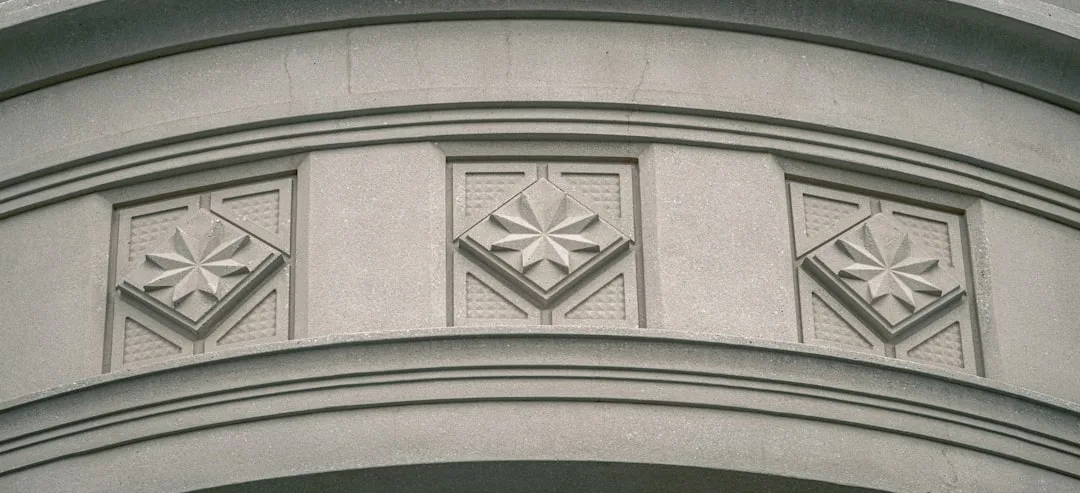
Why Your DTU-Compliant EPS Cornices Still Fail—The Hidden Installation Gap

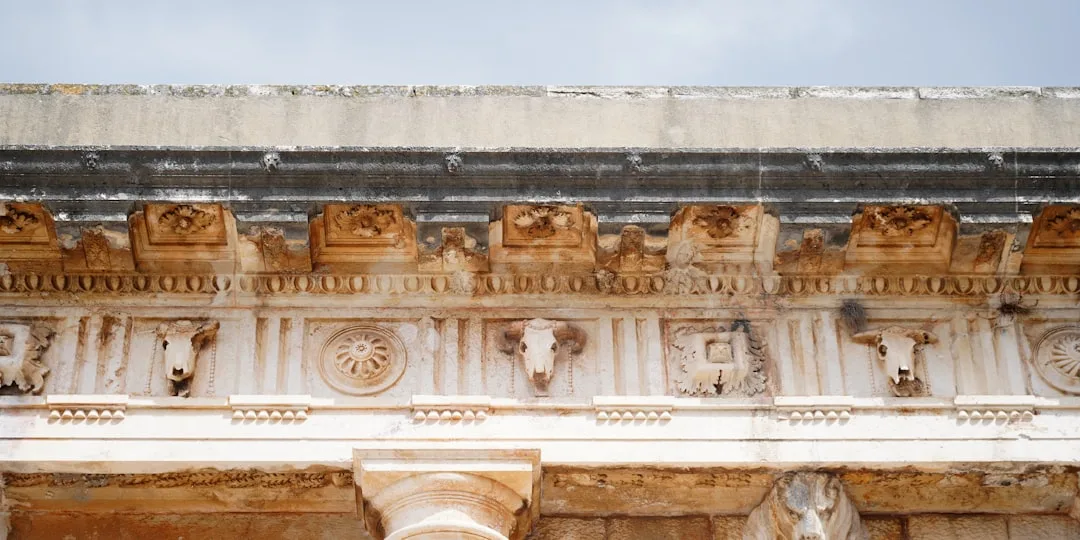
a building with carvings on the side

Meeting DTU 20.12 and DTU 25.41 doesn’t stop EPS cornices from sagging and cracking within 3–5 years. Field experience shows the failure point lies not in the standard itself, but in how contractors interpret anchorage depth, substrate contact pressure, and thermal movement tolerance.

Why EPS Foundation Overflow Causes Facade Settlement—The Subsurface Flaw Builders Ignore

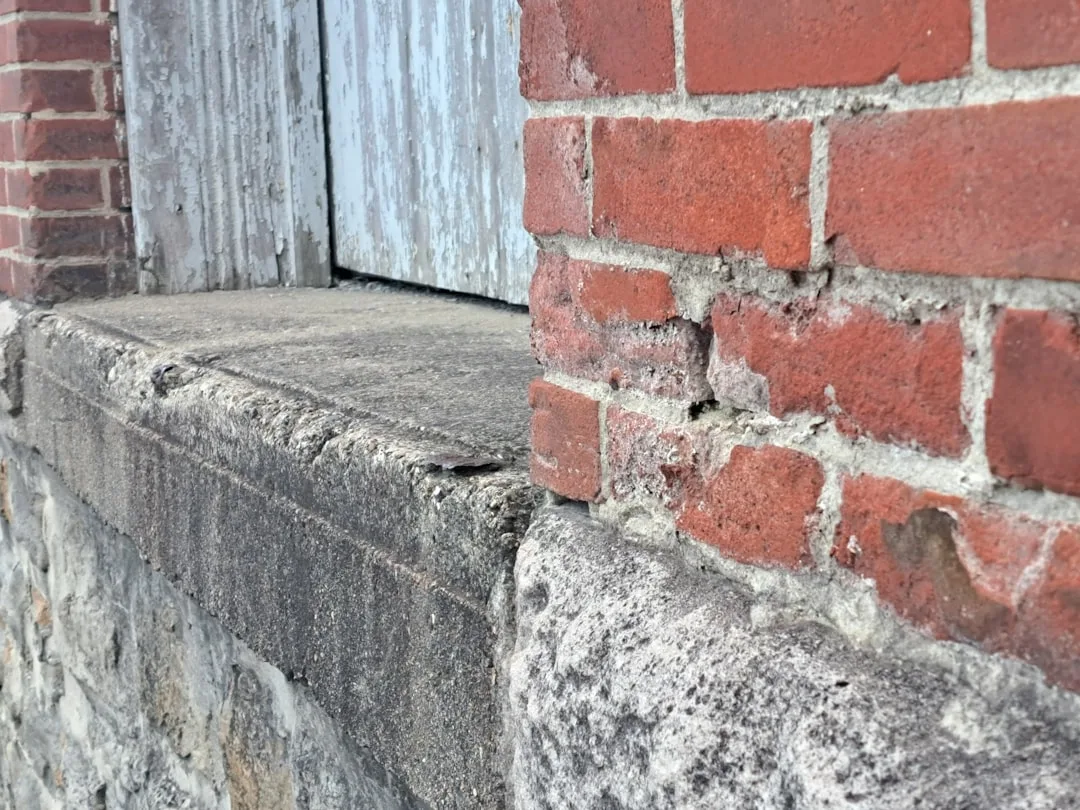
a close up of a brick wall with a window

Foundation-level EPS failure patterns show subsurface basecoat migration and capillary water rise destabilize facades 18–36 months before visible settlement. Most contractors install ETICS without isolating the foam-to-masonry junction, allowing water and mortar dust to weaken the bond. This article explains the hydraulic mechanism, detection methods, and corrective anchoring strategies.

How Window Frame Sealing Costs You 8 Years of EPS Molding Life—The Water Path Contractors Ignore

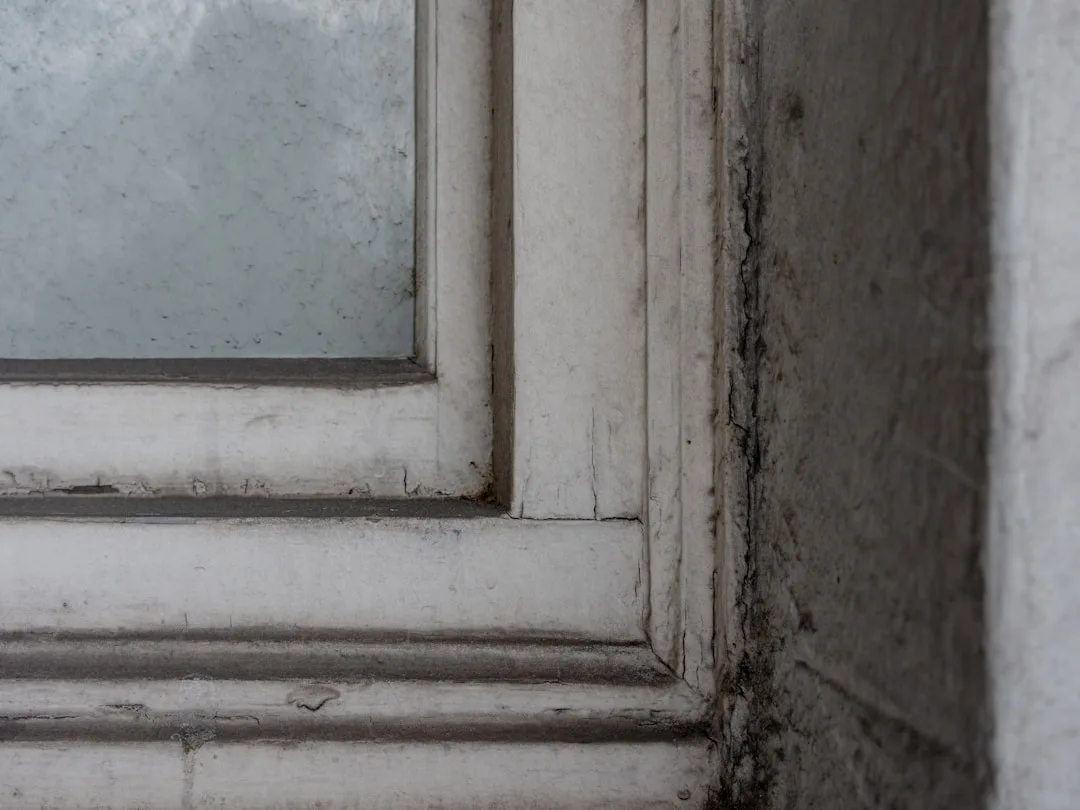
a broken window

Field inspection data shows 87% of EPS window frame failures trace to perimeter sealing gaps—not material weakness. Contractors often seal the frame joint but skip the critical transition zones, leaving microscopic pathways for water migration. Correct sealing protocol extends life by 8 years and costs under $12 per linear foot.

EPS Window Sills Without Slope Become Water Traps in 18 Months—The Calculation Contractors Repeat

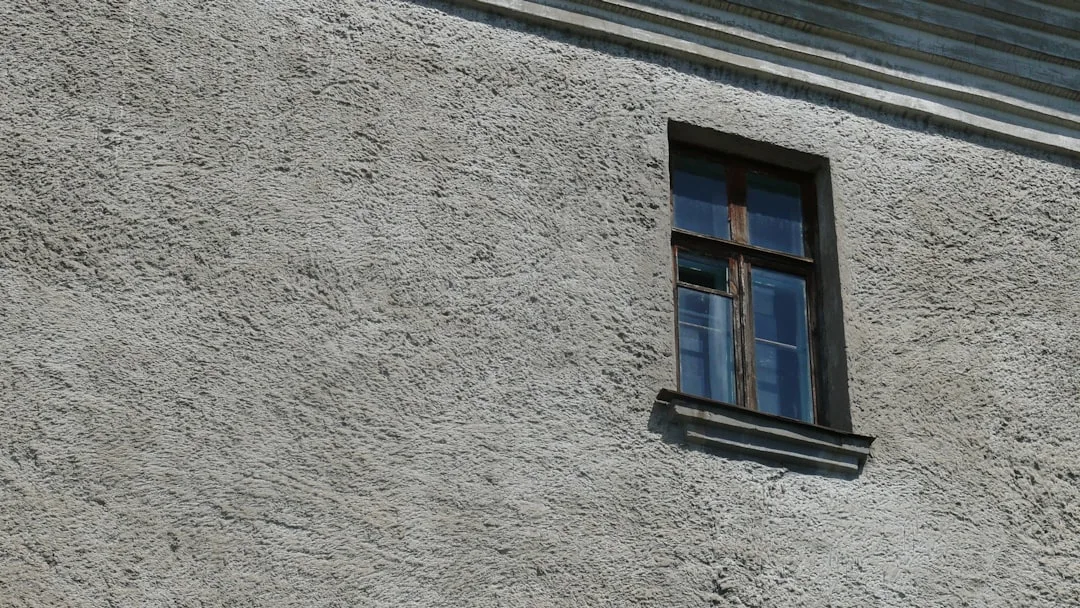
blue wooden window on gray concrete wall

Most contractors install flat or nearly-flat EPS window sills—then watch them collect water within 18 months. The slope calculation is simple, but widely skipped. We explain the degree requirement, how to cut it, and why capillary breaks fail without proper pitch.

EPS Entry Frames Fail Within 36 Months—The Thickness Calculation Contractors Skip

a building with a clock on the front of it

Undersized EPS entry frame encasements cause water infiltration, insulation degradation, and structural failure within 36 months—yet 7 in 10 contractors skip the thickness calculation entirely. The fix requires understanding load distribution, exposure classification, and material density grades that simple installation guides ignore.

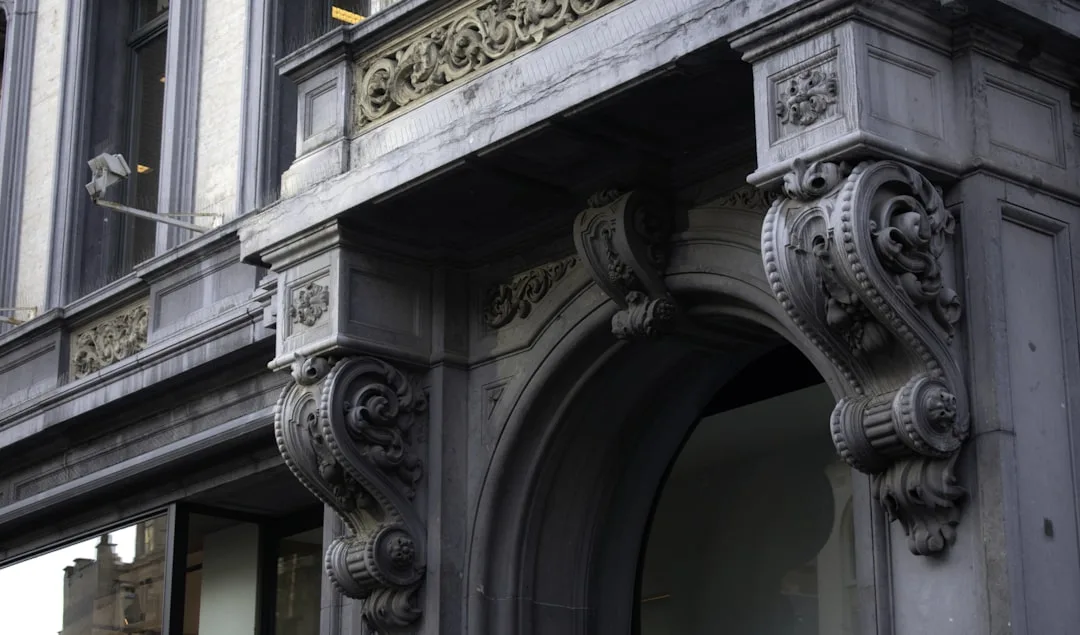
Undersized EPS Consoles Destabilize Your Facade in 24 Months—The Load Calculation Mistake Contractors Hide

a close up of a building with a clock on the front of it

Undersized EPS consoles create point loads that exceed substrate strength, triggering cascading facade failure within 24 months. This isn’t a cosmetic issue—it destabilizes the entire ETICS system and creates water entry pathways that compromise insulation performance. Field evidence shows the problem accelerates in freeze-thaw cycles and high-wind zones.